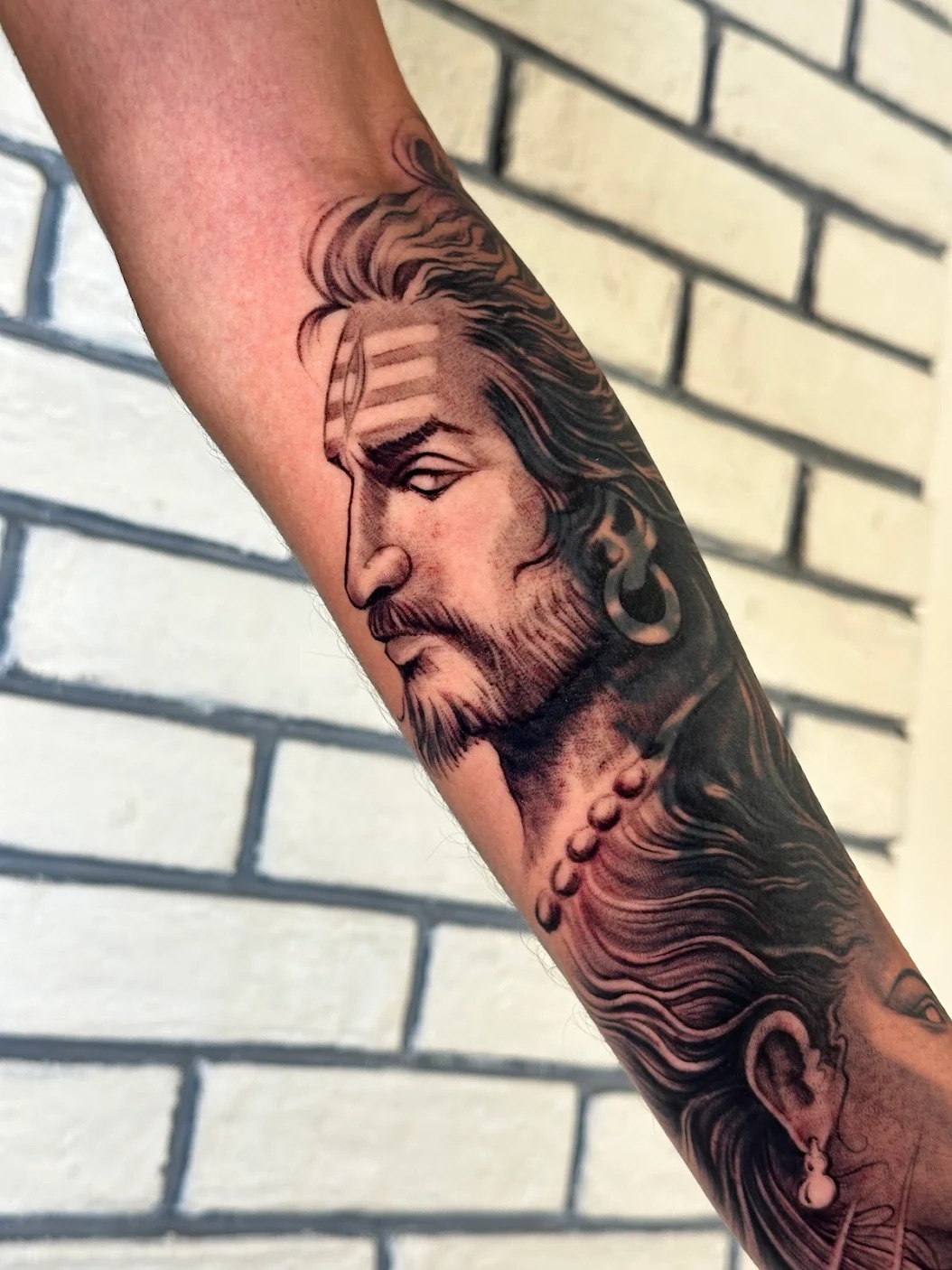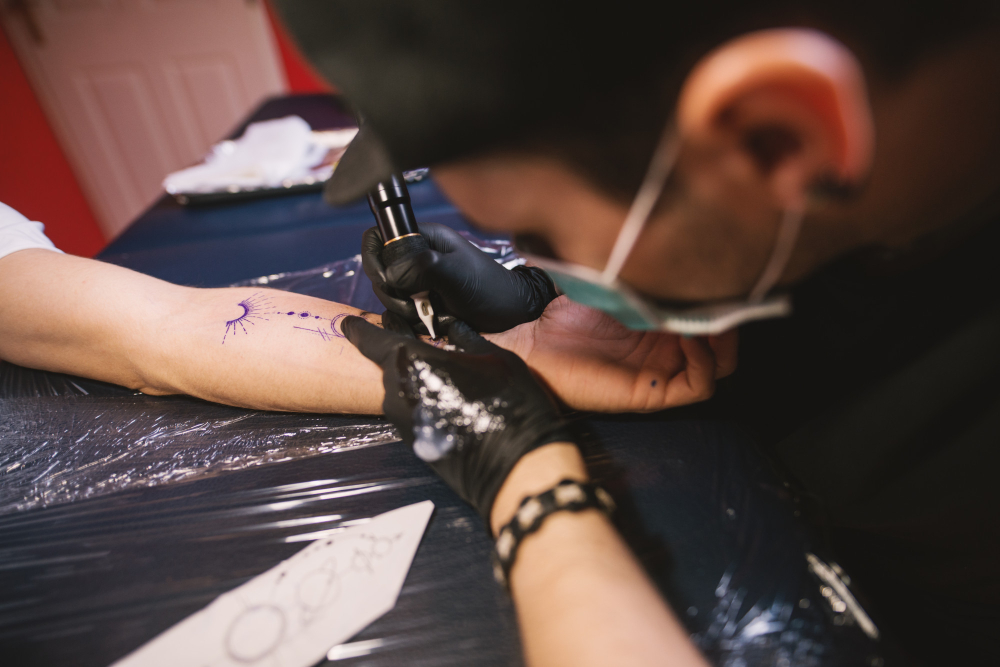
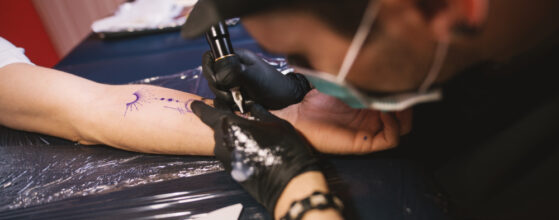

Amazing experience! So This is my first tattoo. I went with one nice concept and design in mind. On reaching to the studio the whole ball game changes.. Artist Kritika and Artist Vishal suggested even better options based on my requirements and need of a concept. I was little scared since it was my first tattoo, but they Prepared me so well and made me feel completely comfortable and strong enough. The studio is very unorthodox in approach, highly professional, super hygienic, and the staff is extreme friendly. It felt like a very familiar and welcoming environment. My whole experience is amazing and most importantly to say their Mentor Artist Sanket is the Key to hold this entire show with his expertise and hunger to serve his client's with best ..
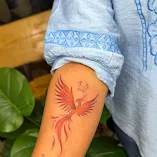
I got my helix piercing done at Lines N Shades Studio by Santy. He was very calm and really good at his work. The whole team was supportive and helped me feel less scared. They made the process very easy for me. I had a great experience, and their piercing collection is amazing. I highly recommend this place. can’t wait to get my next piercing!
It was such a great experience. I got my nose pierced and my friend got a rather large tattoo, the staff was super friendly and professional. great experience all in all
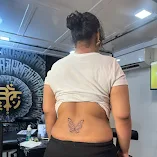
I'm writing this review after my delightful experience at Lines N Shades My tattoo was done by Sanket Dada and I must say he exceeded my expectations by 10 times. His creativity, eye for detail and improvisation skills are off the charts!! I'm really happy with the work and excited to get another one done soon! It was my 1st experience of tattoo at lines n shades and that too i need to do a cover up tattoo of my name, it was brilliantly and beautifully designed by himself owner Artist of the studio Sanket Dada…