A photograph can capture a beautiful moment, but can it become a beautiful tattoo? That’s where it gets interesting. Realism tattoos rely on small details, proper proportions, shading and depth to create art that looks incredibly lifelike. Even the best tattoo artist needs a good reference image to work from. The wrong picture can ruin the final result, so a little homework before you get to the salon can save a lot of disappointment down the line.
Here’s how you can assess your reference images before you book your realism tattoo sessions.
First, Check Photo Quality.
A blurry photograph may look just fine on your phone, but tattooing demands far more clarity. Try to find high-resolution images where you can see facial features, textures, expressions and smaller details. Stay away from overly filtered images or images that are sourced from social media.
Find Good Lighting and Contrast.
Lighting plays a major role in realistic tattoo designs. A good reference image is well lit, and the highlights and shadows are easily seen. These elements help artists to see the depth, shape and texture of their subject.
Avoid pictures where half the face is in darkness (especially portraits). Choose a picture that clearly shows the subject, unless you are trying to make a dramatic impression.
Watch for Faces and Details.
Choosing a portrait reference is more than just picking a pretty face. Eyes, nose, lips, skin texture and general expression. Small details make a big difference for realistic portrait tattoos.
When choosing a photo of a pet, remember to take note of the eyes, fur patterns and unique features. After all, you want your beloved pet on your arm, not a slightly confused lookalike.
Think About the Tattoo Placement and Size.
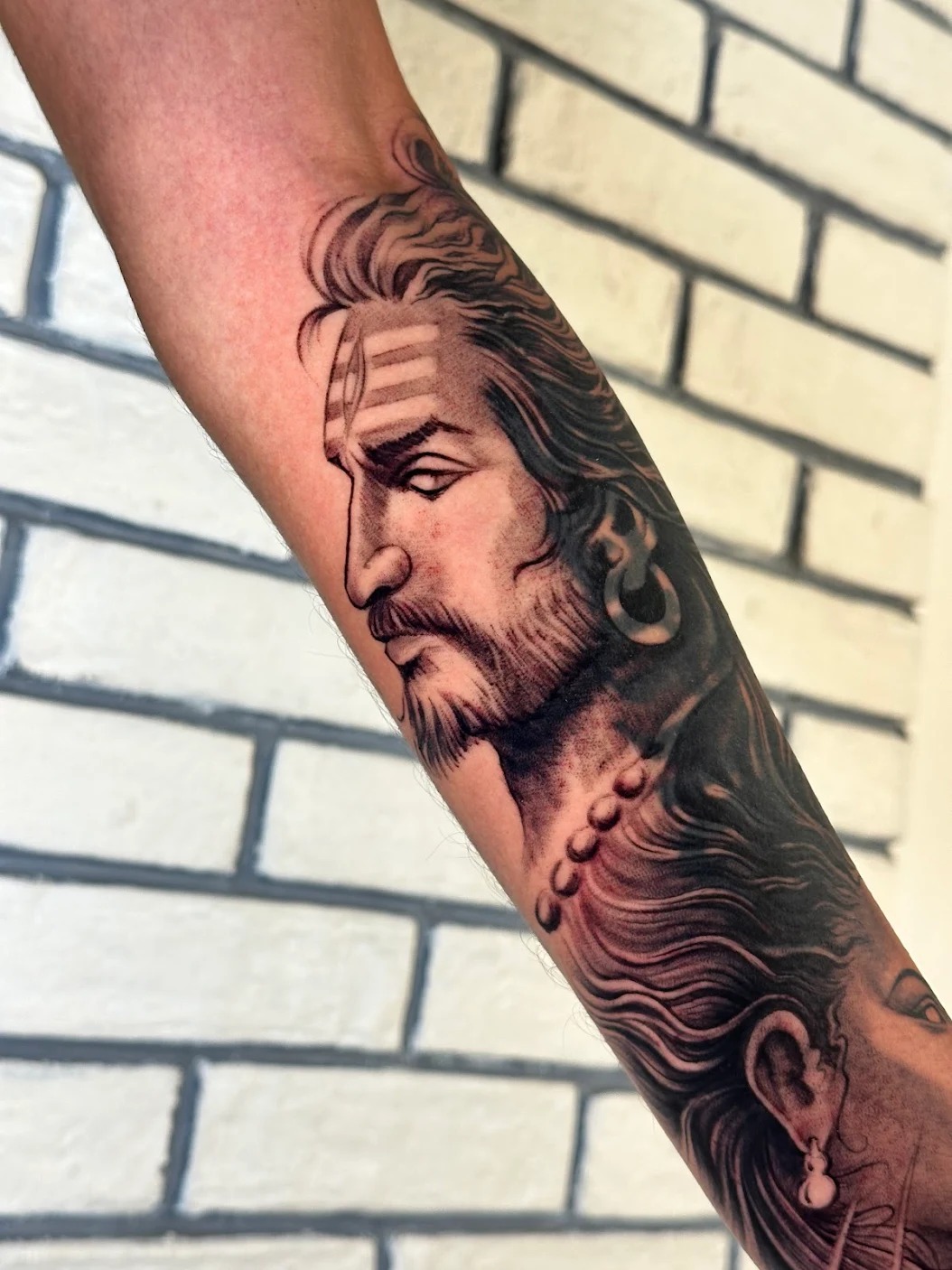
Not every photograph is flattering on every body part. A very detailed image may look great as a larger tattoo on the forearm or a sleeve but may lose some of the finer details when scaled down to a smaller design.
Discuss placement and approximate size with your artist before you finalise the reference. A professional with experience can recommend changes to achieve clarity and balance.
Don’t Provide Too Many References to Your Artist.
Good to have some reference pictures, but sending 20 different photos can be confusing. Pick one main image and a few reference images for specific details such as lighting, background or composition. This gives your artist direction and still wiggle room for professional creativity.
Discuss Your Reference Prior to the Session.
Feel free to share your likes and dislikes about the picture you have chosen. Your artist may want to change the crop, change the contrast, or simplify some things for a better result.
Good communication ahead of realism tattoo sessions helps establish realistic expectations and gives the artist a better idea of your vision.
Turn Your Favourite Photo Into Timeless Art.
A good reference image is the basis of a striking realism tattoo, and Lines N Shades Tattoo is all about details. If you are looking for a realistic portrait, pet tattoo or meaningful piece of realistic artwork, let our artists help you bring your vision to life.